
Little Nightmares III is a puzzle-platformer/survival-horror game developed by Supermassive Games and published by Bandai Namco Entertainment. It was first revealed at Gamescom in August 2023 with an initial release window of 2024, but was later delayed. The game was officially released on October 10, 2025 for multiple platforms including PC, PlayStation 4 & 5, Xbox One & Series, Nintendo Switch, and the upcoming Switch 2. No details have been released about how long it took to develop or the exact duration of development; however, it is reasonable to assume that development will take at least 2–3 years, as it was initially announced in mid-2023 for a 2024 launch, then delayed to May 2024, and finally released in late 2025. If you want, I can try to find a statement from the developers about exactly when the work started behind the scenes.
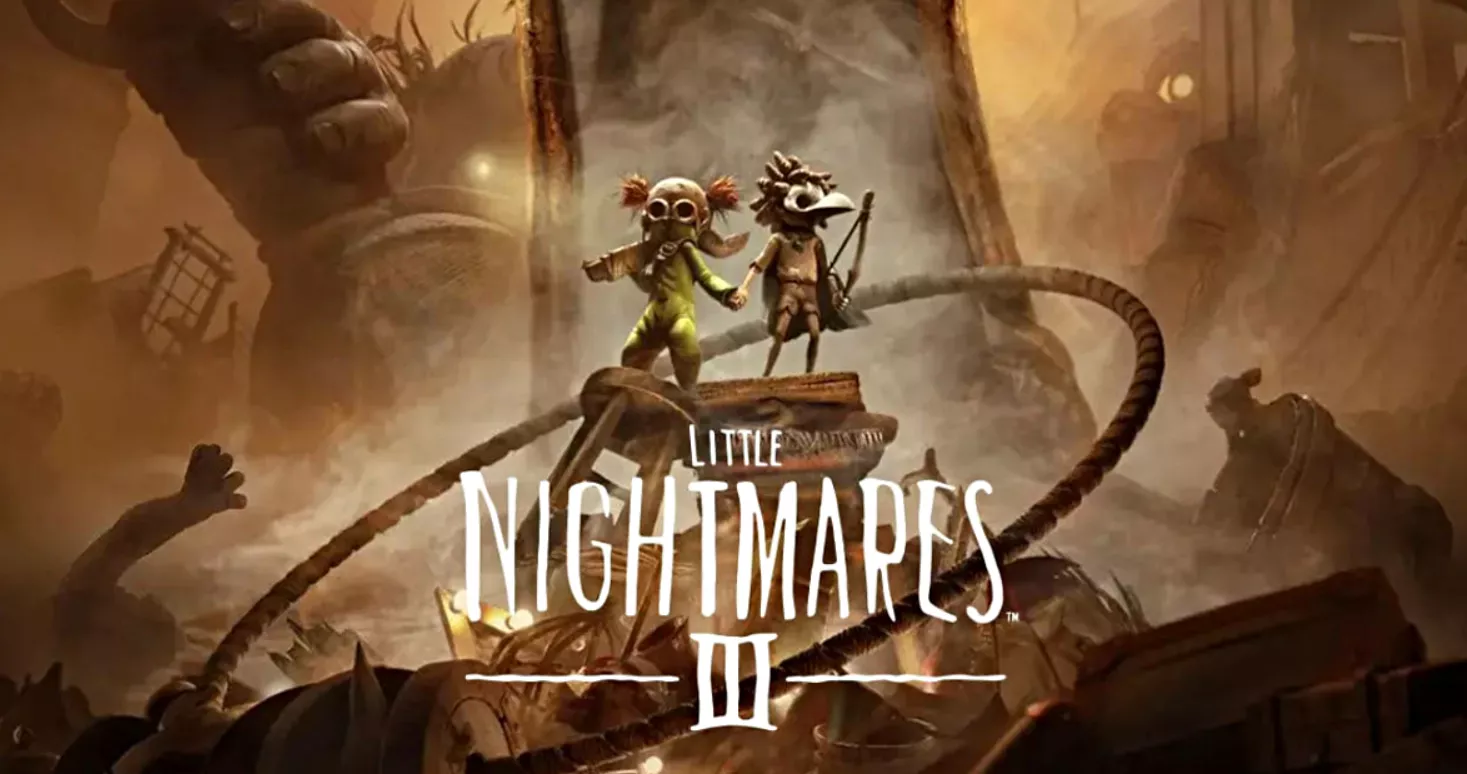
Little Nightmares III is a dark, atmospheric puzzle-platformer, and survival horror game developed by Supermassive Games and published by Bandai Namco Entertainment. It is available for PC (Windows), PlayStation 4, PlayStation 5, Xbox One, Xbox Series X|S, Nintendo Switch, and the upcoming Switch 2. Players explore a terrifying environment, solve puzzles, and overcome terrifying encounters designed to arouse fear and curiosity. The game is rated T (Teen, 13+) by the ESRB and PEGI 16 in Europe, meaning it is suitable for players aged 13 and older due to mild violence, fear, and dark imagery. While not overly graphic, its psychological horror elements make it more compelling for younger audiences. With its captivating art style, clever cooperative gameplay, and gripping narrative, Little Nightmares III offers a suspenseful yet emotionally rich experience for players interested in dark fantasy adventures filled with tension, mystery, and atmospheric stories.
Storyline
In “Little Nightmares III,” two new characters, “Little” and “Alone,” are introduced as they journey through the terrifying, dreamlike world of “Nowhere” known as “The Spiral.” Lowe, a boy in a raven mask, and a brave girl with a wrench, Alone, are trapped in this twisted world and must work together to find a way out. Their adventure begins in Necropolis, a desert city filled with rotting ruins and powered by a giant windmill. Here, they encounter the terrifying Monster Baby, a tall, doll-like creature with the ability to turn victims to stone with just a glance.
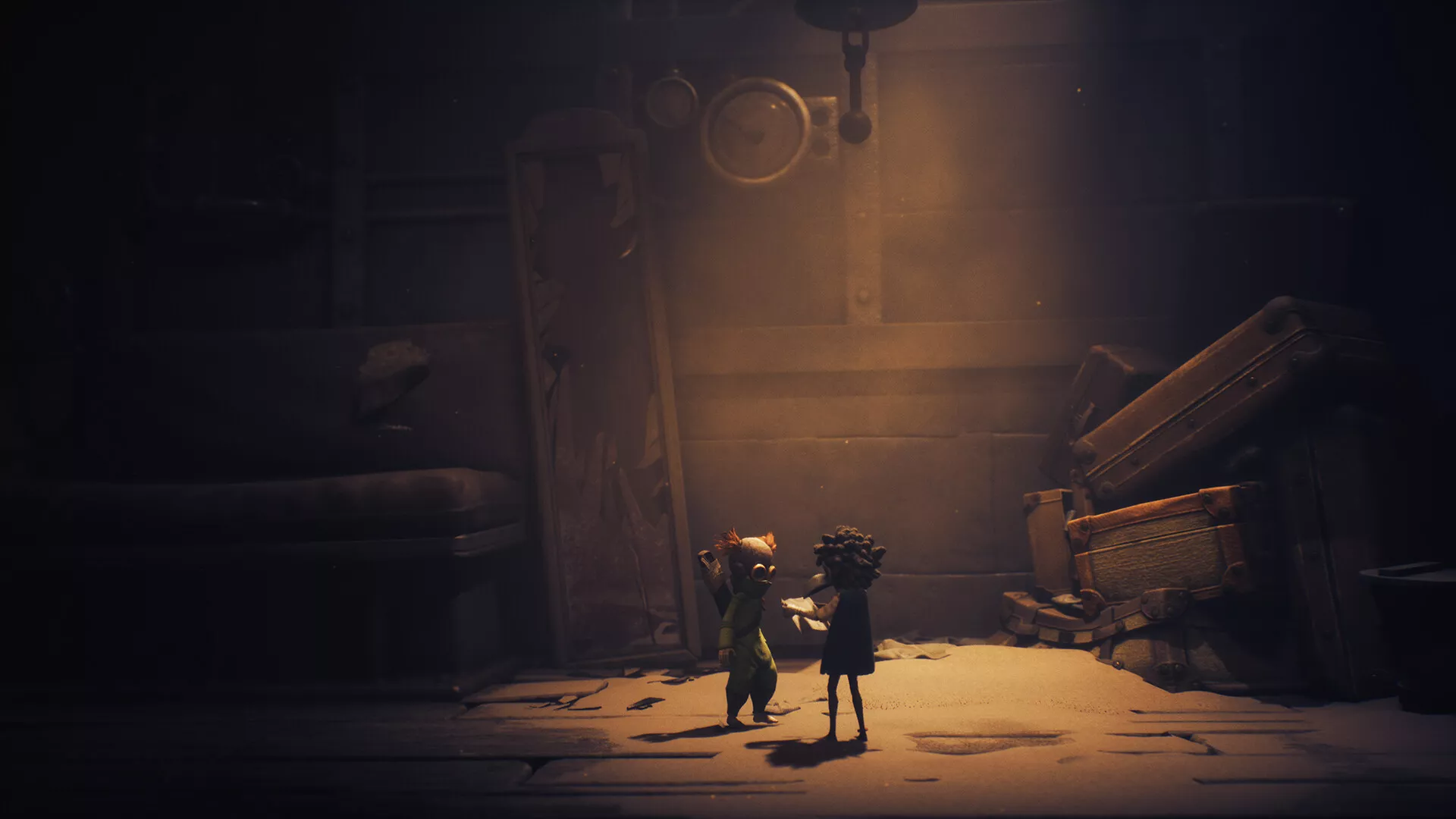
As they journey deeper into Mushgia, they arrive at the Candy Factory, an industrial nightmare where children are turned into mechanical workers under the watchful eye of an evil mastermind. They later enter the Carnival, a twisted amusement park run by the sadistic Kin and Mini-Kin, who force the captives to perform racy acts for their entertainment. Each episode reveals more about the dark logic of the world and the characters’ emotional struggles, blending surreal horror with tragic storytelling. Their final destination, the Institute, resembles a mental hospital filled with echoes of Low’s past and fragments of memory.
As the journey unfolds, it becomes clear that “Alone” is not real – he is Low’s imaginary companion, a creation born of the isolation and trauma of his time at the institution. In a heartbreaking finale, Low and Alone find their ultimate means of escape: a mirror. When Low tries to take him to safety, Alone disappears, no longer a figment of his imagination. Left alone, Low emerges as a shattered version of reality, overcome by loss and forced to confront the truth about himself. The story of Little Nightmares III is a story of friendship, fear, and the struggle to escape one’s inner demons, told through the terrifying imagery, emotional symbolism, and haunting beauty that define the series.
After disappearing alone, Low is left in a desolate version of Nowhere, where reality and dreams begin to blur. The mirrors around him crack and shift, revealing distorted reflections of his past and his lost friends. Low wanders alone through the empty remains of the spiral, looking back at the fragments of the world he once escaped from—the ruined towers of the Necropolis, the mechanical shells of the Sugar Factory, and the silent halls of the Institute. Each reflection symbolizes his guilt, the burden of surviving when others cannot. Even though he is gone, his voice occasionally echoes across the world, guiding him to the shards of light hidden in the darkness. These faint signs indicate that he is still present in his mind—not an illusion of escape, but a reminder of courage and friendship.

In the closing moments, Low approaches one final mirror, a symbol of escape seen throughout the game. This time, instead of breaking it, he confronts his reflection, accepts it, and finally confronts the trauma that created his fear and nightmare. The mirror shines, and before it turns dark, he sees the peaceful light of day. The ending, true to the Little Nightmares series’ tradition of ignoring ambiguity, leaves players wondering whether they’ve truly escaped “Nowhere” or found peace within themselves.
Overall, Little Nightmares III ends as a deeply moving journey about confronting inner demons, overcoming loss, and finding strength through connection. Beneath the haunting visuals and silent horror, the game tells a human story, and even in the darkest places, the small sparks of hope and friendship help guide the way out.
✅ Pros
- Beautiful Visuals – The game’s dark, atmospheric art style and detailed environments make every scene terrifying and captivating.
- Emotional Story – The relationship between Little and Alone adds real depth and emotion, making the ending powerful and unforgettable.
- Cooperative Play – For the first time in the series, players can experience true online co-op, adding teamwork and strategy to the puzzles.
- Creative Level Design – Each area (Necropolis, Candy Factory, Carnival, Institute) feels unique, with unique puzzles and terrifying antagonists.
- Immersive Sound and Music – The detailed sound design and eerie music perfectly complement the tension and fear.
- Symbolic Depth – The game continues the series’ tradition of exploring trauma, fear, and childhood through visual storytelling rather than dialogue.
❌ Cons
- Short Length – The main story may feel short for players expecting a longer adventure.
- Limited replay value – There’s little reason to replay once you’ve solved the puzzles, except for the collectibles.
- Occasional AI issues – Co-op movement (especially offline) can feel clunky at times.
- Ambiguous ending – While artistically strong, some players may find the open ending confusing or unsatisfying.
- Motion drops – Some sections, especially the middle, can feel a bit slow compared to the tense opening and ending.
Summary
Little Nightmares III is a thrilling and thrilling journey that perfectly combines horror, atmosphere, and story. With stunning visuals, eerie environments, and a deeply symbolic narrative, it continues the series’ tradition of exploring fear, loneliness, and the fragile bonds between characters in a surreal world. The addition of cooperative gameplay adds a new layer of interaction, allowing players to experience the tension and teamwork firsthand. While the short length and ambiguous ending may leave some wanting more, the emotional impact and artistic direction make it an unforgettable experience. Overall, Little Nightmares III is a beautifully crafted tale of friendship and trauma, proving that true horror isn’t just about monsters, but about the darkness we face within ourselves.